
William James and the Authority of Experience
How to Change Your MindWilliam James supplies a vocabulary for mystical consciousness while insisting that personal authority does not compel universal belief.
increasing Bearing strength in each event
 decreasing
Bearing strength in each eventdecreasingA Scholar at the Edge

Seeking a Framework
A useful guide
Pollan turns to James’s writing on mystical states while trying to understand volunteers’ accounts. James admits that his own constitution limits his direct experience.
Knowledge at a distance
His analysis relies on testimony and experimentation, making it an early model for studying experiences that resist ordinary description.
Four Marks of Mysticism

A Vocabulary for Experience
Ineffability and knowledge
James identifies ineffability, noetic quality, transiency, and passivity as recognizable marks. The framework gives Pollan a way to compare distinct accounts without reducing them to one story.
A tension of language
Participants struggle to describe what they believe they know. The very failure of words becomes part of the evidence James asks readers to consider.
Private Authority, Public Caution
What a Revelation Can Claim
Personal force
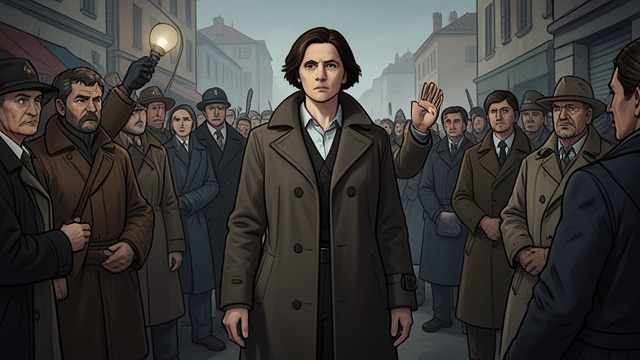
James allows mystical experience to carry authority for the person who has it. Its emotional and practical consequences cannot simply be dismissed as nothing.
No obligation to assent
He also says others need not accept revelations uncritically. The distinction protects both the experiencer’s account and the public’s right to ask questions.
A Wider Account of Reality
Normality Loses Its Monopoly
A challenge to certainty
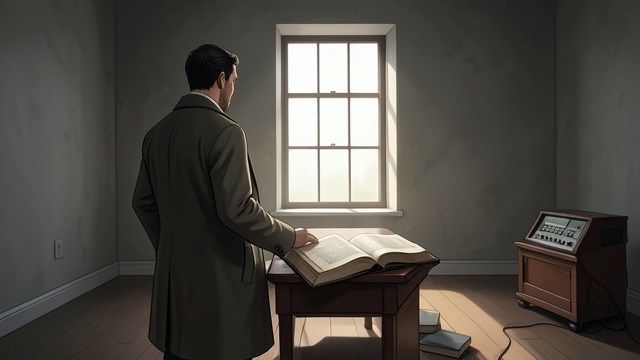
James argues that ordinary waking consciousness cannot claim to be the sole authority on reality. Other states may offer perspectives that the ordinary mind cannot reach.
An open hypothesis
He does not certify every revelation. Instead, he argues against closing inquiry before the evidence of human experience has been considered.
A Living Method of Inquiry

Keeping the Question Open
From theory to recognition
After his journeys, Pollan can read mystical testimony as reports of experiences rather than empty abstractions. James’s language becomes personally intelligible without dictating a belief system.
Accounts remain unfinished
The book’s final posture echoes James: preserve the possibility that experience reveals something important while resisting certainty about what that something is.
At the beginning of the book’s inquiry
During Pollan’s interviews
As the question of truth arises
During the discussion of alternative consciousness
Near Pollan’s final reflections
